
When Discipline Becomes the Problem
You wake up at 5 a.m. You hit every item on your list. You say no to distractions. You grind through the week with the kind of consistency most people only post about. And yet — something feels off. You're exhausted in a way sleep doesn't fix. You're crossing things off, but nothing feels meaningful. You're doing the work, but you can't remember why you started.
This isn't a focus problem. It's not a motivation problem. It's a discipline problem — but not the kind anyone talks about.
Discipline is treated like a virtue with no ceiling. Push harder, show up longer, do more. But that framing leaves out the most dangerous question: discipline toward what? Because without an honest answer to that, discipline doesn't build you. It breaks you.
Discipline Gets a Pass It Doesn't Deserve
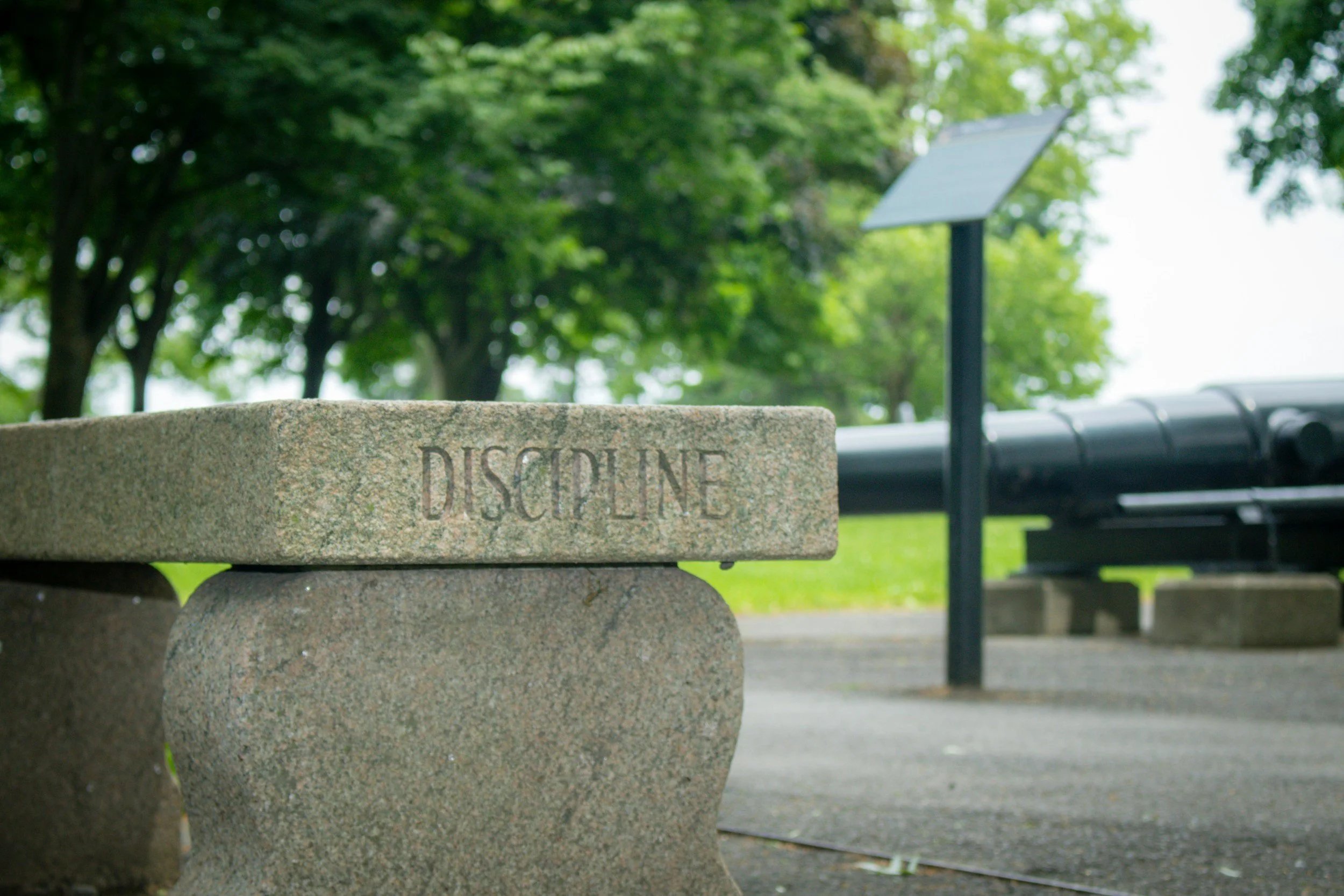
We've made discipline synonymous with success — and in doing so, we've stopped questioning it. Hustle culture handed us a simple equation: more discipline equals more results. So we adopted the 5 a.m. routines, the rigid schedules, the relentless output. We stopped asking whether any of it was working and started measuring success by how hard we were working.
The problem is that discipline is a multiplier, not a compass. It amplifies whatever direction you're already moving in. If you're pointed at the right things, discipline gets you there faster. If you're pointed at the wrong things, discipline drives you further off course — faster.
Nobody talks about that. We celebrate the person who "never misses a day" without ever asking what they're not missing it for. We admire the consistency without examining the direction.
Discipline gets a cultural pass it hasn't fully earned. And that pass is costing people their health, their relationships, and their sense of self.
The Wrong Things, Done Relentlessly

Here's what disciplined burnout actually looks like: it's the person who is rigidly consistent about a career they secretly hate. The one who shows up every day for goals that were never theirs to begin with — goals absorbed from a parent, a culture, a LinkedIn feed. The one who has mastered the routine but lost the reason.
Being disciplined to the wrong things is more draining than being undisciplined. Because when you're undisciplined, at least you know something isn't working. When you're disciplined to the wrong things, everything looks fine from the outside — which means you have no framework to explain why it feels so wrong on the inside.
Ask yourself: whose goals are you actually working toward? Not in the abstract, aspirational sense. Concretely — who decided these were the right metrics, the right milestones, the right definition of progress? Was it you, clearly and deliberately? Or did you inherit a direction and then apply discipline to it without ever stopping to question the destination?
Discipline without self-awareness is just sophisticated self-betrayal.
Discipline Without Recovery Is Just Damage

There's a version of discipline that has been sold to you as noble but is actually harmful: the refusal to rest. The idea that taking a break is a weakness. That recovery time is wasted time. That boundaries are for people who don't want it badly enough.
That version of discipline doesn't build resilience. It depletes it. The body has limits. The mind has limits. And when you consistently override those limits in the name of discipline, you're not becoming stronger — you're accumulating damage you'll eventually have to pay back at a much higher interest rate.
Rest is not the enemy of discipline — it's part of it. Recovery is when growth actually consolidates. It's when perspective returns. It's when you go from reactive to intentional. Skipping it in the name of grinding harder is like skipping sleep to have more productive hours — the math only works until it catastrophically doesn't.
Boundaries are not a concession to weakness. They are the architecture that makes sustained performance possible. The most disciplined people you'll ever meet are not the ones who never stop — they're the ones who know exactly when to.
Audit What You're Actually Disciplined To

This is the step most people skip because it requires a kind of honesty that's uncomfortable. Not a productivity audit — a values audit. Not "am I being efficient?" but "is what I'm being efficient toward actually what I want?"
Start by listing the things you are most consistently disciplined about. The things you show up for without being asked. Then ask three questions about each one:
Does this align with who I genuinely want to become — or with who I think I'm supposed to be? Does showing up for this replenish me over time, or does it steadily drain me? And if I imagined continuing this for five more years with no external reward, would I still choose it?
The answers will tell you more about your actual life direction than any goal-setting exercise. Because discipline reveals what you've quietly committed to — whether you meant to or not.
If something on that list fails all three questions, you're not being disciplined. You're being trapped by consistency. Those are not the same thing. Recognizing that distinction is the beginning of rebuilding discipline that actually serves you.
Real Discipline Knows When to Stop
The highest form of discipline isn't pushing through — it's knowing what's worth pushing through for. It's the clarity to say: "I'm going hard on this because it genuinely matters to me," and the honesty to say: "I'm stopping this because it doesn't."
That kind of discipline requires more self-awareness, more courage, and more deliberate thought than simply grinding harder. It means building a life with boundaries — not because you're soft, but because you're serious. Serious about lasting. Serious about performing at your best over years, not just weeks.
Burnout is not a badge of honor. It's a signal that discipline lost its compass. And when that happens, the answer isn't to push harder — it's to pause, recalibrate, and redirect your consistency toward things that are actually worth your effort.
You don't need less discipline. You need discipline with direction, boundaries, and the wisdom to rest. That combination isn't less rigorous than what hustle culture preaches. It's far more rigorous — and far more sustainable.
You owe it to yourself.
