
The Sunday Reset: How to Prepare Your Mind for the Week

Most people treat Sunday like a waiting room. You're not quite in the week yet, but the weekend is already fading. You scroll, you half-rest, and then Monday hits you like a door you didn't see coming.
The Sunday Reset changes that. It's not about grinding through your day off. It's about spending 60–90 deliberate minutes so that the next five days don't run you — you run them.
The difference between people who feel in control of their week and people who don't often comes down to what they do on Sunday afternoon.
Why Sunday Sets the Tone for Everything

Your brain doesn't arrive at Monday blank. It carries whatever unfinished business, unresolved emotions, and foggy intentions you left behind on Friday. If you don't close the loop, your mind stays open — and open loops drain energy.
Think about the last time you started a week feeling genuinely ready. Chances are, something happened the day before that gave you clarity. Maybe you wrote something down. Maybe you had a quiet moment that helped things settle. That wasn't an accident — it was a reset, even if you didn't name it.
The Sunday Reset is a formal version of that. A reliable, repeatable window where you close the last week and open the next one with intention.
Routine creates the conditions for clarity. Clarity creates the conditions for progress.
The Reflection Block: Closing the Week Honestly

Before you plan anything, you have to account for what just happened. Most people skip this. They're eager to move forward, so they leave the previous week unexamined — and carry the same patterns into the next one.
The reflection block is short but honest. Grab a journal or open a notes app. Ask yourself three questions:
What went well this week — and why? Don't just note the win. Name what made it possible. That's the thing to repeat.
What didn't go as planned — and what would I do differently? This isn't self-criticism. It's self-study. The goal is a data point, not a guilt trip.
What's still on my mind that I need to put somewhere? Lingering thoughts don't disappear when you ignore them. Write them down. You're not solving them right now — you're clearing them from your mental desktop.
Ten to fifteen minutes here is enough. The goal isn't to produce a perfect journal entry. It's to genuinely close the week so you can actually move on.
The Planning Block: Building the Week With Intention
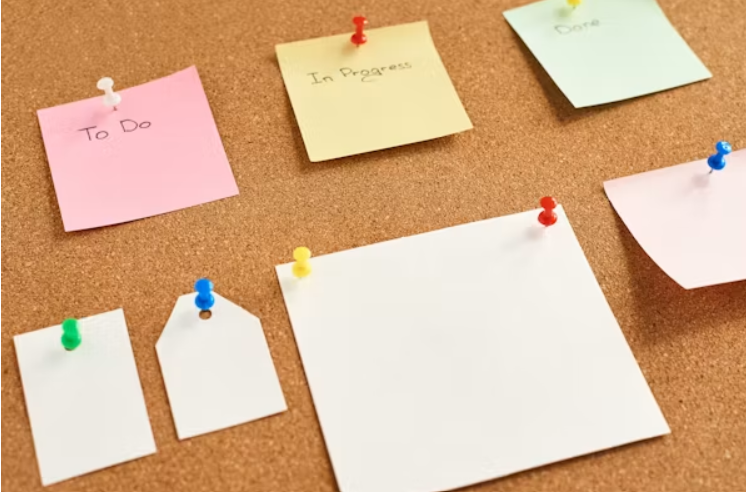
Now you plan — but not the way most people do. Most people write a to-do list and call it planning. A to-do list is a collection of tasks. A plan is a story about how the week unfolds.
Start with your top three priorities for the week — not ten, not a list of everything that needs to happen. Three. These are the things that, if nothing else gets done, you'll still call the week a success.
From there, map them to your actual schedule. When, specifically, are you doing the work? Which days have deep focus windows available? Where are the meetings, the commitments, the unavoidable interruptions?
The plan fails not because you chose the wrong priorities — but because you never decided when you'd actually do them.
Also: scan for anything carrying over from last week. If a task has now moved to the third straight week, ask whether it actually matters. Not everything that gets postponed deserves to be rescheduled.
If you're running quarterly goals, this is also the moment to check in. Sunday planning and quarterly planning work together — your Sunday session should always be zooming out to the bigger picture, asking: is what I'm doing this week moving me toward where I said I wanted to be?
→ If you haven't set your quarterly targets yet, the [Quarter Reset Checklist](https://yoity.co) is a structured guide to doing exactly that. Start there first, then return to this routine.
The Mind Reset: Clearing the Static

Planning takes care of the logistics. But there's a layer underneath the calendar — the emotional and mental static that builds up across a week and quietly undermines your focus, your patience, your energy.
The mind reset is the part most productivity content ignores, because it's harder to put in a template.
It looks different for everyone. For some people, it's a slow walk with no podcast — just space to think. For others, it's a workout that burns off the week's tension. For others, it's fifteen minutes of complete stillness before the household wakes up.
You don't have to meditate. You don't have to journal for an hour. You just have to give your mind some room.
The question to carry into this part of the reset: How do I actually feel going into this week? Not how you're supposed to feel, not what you're telling people. The honest answer.
If the answer is tired, you plan accordingly. If the answer is anxious, you figure out why. If the answer is clear and energized, you protect that feeling going into Monday.
Emotional intelligence about your own state isn't soft — it's strategic.
Make It a Practice, Not a Chore

The Sunday Reset only works if it stays sustainable. It's not supposed to feel like a second job.
Start small. You don't need a 90-minute ritual on week one. Even 30 minutes of reflection + planning + a short walk will change how Monday morning feels. Build from there.
Make it consistent before you make it comprehensive. The version you actually do is better than the perfect version you skip.
A few principles to lock it in: Keep your setup simple — one journal, one notes app, one place. Do it at the same time each week so your brain starts associating Sunday afternoons with clarity rather than dread. And protect it like you would any other appointment. It is an appointment — with yourself.
Over time, this practice compounds. The weeks start to feel less reactive, more intentional. You stop arriving at Friday wondering where the time went. You start arriving at Friday having done what you said you would.
That's the quiet power of a Sunday Reset. Not a productivity hack. A habit of self-respect.
Ready to zoom out and plan at the quarterly level? The Quarter Reset Checklist walks you through a structured 60-minute process to review your goals, recalibrate your priorities, and build a clear roadmap for the next 90 days. [Check it out at yoity.co →](https://yoity.co)
You owe it to yourself.
